Watercolor Dachshund Clipart Bundle: Illustrations Review
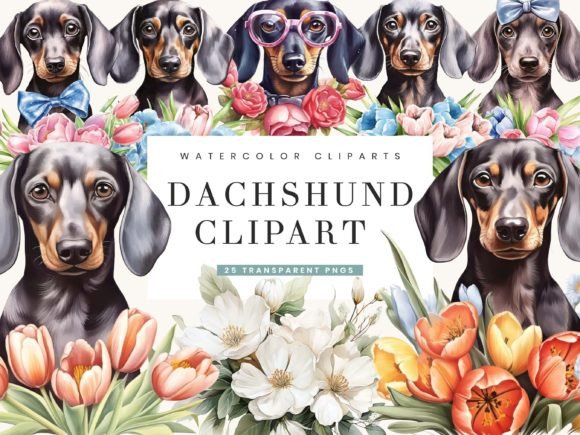
As a brand designer who frequently audits visual assets for small business campaigns, my first impression of the Watercolor Dachshund Clipart Bundle was one of immediate warmth and approachability. In the crowded space of pet-related marketing visuals, it is easy to find generic vector art that feels sterile or overly cartoonish. However, this graphic design asset leans into a softer, hand-painted aesthetic that signals authenticity. For a content marketer, this emotional tone is critical. It suggests a brand that values craftsmanship and care, making it particularly suitable for lifestyle content, handmade product promotions, and editorial graphics where audience trust is paramount. The watercolor texture adds a layer of organic imperfection that digital perfection often lacks, creating an instant connection with viewers who associate this style with premium, artisanal quality.
Elevating Seasonal Campaigns and Product Launches
To test the practical utility of this design bundle, I integrated it into a mock campaign for a boutique pet accessory brand launching a new line of organic cotton bandanas. The goal was to create cohesive social media graphics and email banners that felt festive yet professional. The Watercolor Dachshund Clipart Bundle performed exceptionally well as a supporting visual element rather than the sole focal point. When used in Instagram posts and Pinterest pins, the illustrations provided necessary negative space for typography without cluttering the composition. This balance is essential for maintaining a clear visual hierarchy in digital ads. Unlike rigid SVG design files that can sometimes look flat against photographic backgrounds, these PNG design elements blended seamlessly with product photography, bridging the gap between real-world textures and digital branding.
For the email marketing component, I utilized the clipart as decorative accents in the header and footer. This subtle repetition reinforces brand identity without distracting from the primary call-to-action. In this context, the asset served as a visual anchor, guiding the reader’s eye through the content while maintaining a consistent thematic mood. For small business branding, this level of versatility is invaluable. It allows creators to produce a full suite of marketing visuals—from web design headers to printable design inserts for packaging—using a single, cohesive artistic language.
Strategic Applications Across Digital and Print Media
The true value of any creative design asset lies in its adaptability across different mediums. Based on my review, this collection excels in several key areas of content marketing and commercial design:
- Social Media Engagement: The soft edges and playful poses are ideal for stopping the scroll on Instagram and Facebook. They add personality to quote cards and announcement posts, increasing dwell time and engagement rates.
- Packaging and Unboxing Experiences: Using these illustrations on thank-you cards, stickers, or tissue paper transforms a standard delivery into a memorable brand experience. The watercolor style implies a personal touch that enhances perceived value.
- Editorial and Blog Graphics: For pet bloggers or publishers, these visuals break up dense text effectively. They serve as excellent featured image elements or sidebar decorations that maintain reader interest without overwhelming the article's core message.
- Digital Products and Templates: Designers creating Canva template kits for pet sitters or groomers will find this bundle highly useful. The transparent backgrounds allow for easy layering, making them perfect for customizable client deliverables.
- Lead Magnets and Media Kits: Adding a custom illustration to a PDF guide or sponsorship deck elevates the professional branding of the document, distinguishing it from generic stock templates.
Optimizing Visual Hierarchy and Brand Consistency
A common pitfall in using illustrative clipart is allowing the artwork to compete with the brand message. During my testing, I found that the Watercolor Dachshund Clipart Bundle supports marketing goals best when treated as a texture or accent rather than a hero image in text-heavy layouts. The intricate brushwork demands breathing room. When placed on busy backgrounds or alongside dense copy, the details can get lost, reducing the professional appearance of the final output. To ensure stronger recognition and clarity, I recommend using these illustrations primarily in hero graphics, campaign headers, and spacious social media covers.
Furthermore, consistency is key to building audience trust. While the bundle offers variety, selecting a specific subset of poses and sticking to them throughout a campaign creates a more unified brand identity. Randomly mixing styles or colors can make marketing visuals feel disjointed. By curating the assets to match your specific color palette and tone, you transform a generic design bundle into a proprietary brand element. This strategic selection process is what separates amateur content creation from professional branding.
Designer Notes: Technical Checks and Licensing
Before deploying this asset in a live commercial campaign, there are several technical and legal considerations that brand owners must address. As with any digital product sourced from a creative marketplace, due diligence is required to protect your business.
- Color Palette Integration: Always test the clipart against your specific brand colors. Watercolor textures can sometimes shift in hue when overlaid on colored backgrounds. Use blending modes in your design software to ensure the tones remain harmonious and do not clash with your logo design or product label colors.
- Typography Pairing: The organic nature of these illustrations pairs beautifully with serif fonts and handwritten scripts for a classic, storybook feel. However, if your brand uses modern, geometric sans-serif fonts, ensure the contrast is intentional. Test readability at small sizes, especially for mobile screens, to confirm the illustration does not reduce text legibility.
- Resolution and Scaling: Verify the DPI of the PNG design files before committing to print projects like posters or merchandise. While they may look crisp on screen, low-resolution files will appear pixelated in physical formats. For large-format printing, consider if the file size supports high-quality output.
- Commercial License Verification: This is non-negotiable. Review the licensing terms specifically regarding client work, digital resale, and print-on-demand products. Ensure you have the appropriate commercial license for your intended use case to avoid legal complications later.
- Competitor Analysis: Search for other brands in your niche using similar dachshund illustrations. If the asset is ubiquitous, you may need to modify it significantly or use it sparingly to maintain a unique brand voice. Customization is often necessary to stand out in saturated markets.
Navigating Limitations and Best Use Cases
While the Watercolor Dachshund Clipart Bundle is a powerful tool for many creatives, it is not universally applicable. I would advise caution when using this asset for formal corporate branding, financial services, or tech-forward companies where precision and minimalism are the primary communicators. The whimsical nature of watercolor can undermine messages requiring authority or strict seriousness. Additionally, in dense information layouts such as infographics or data-heavy reports, the organic shapes can disrupt alignment grids and make information harder to scan.
Conversely, this asset shines in environments that celebrate emotion, community, and lifestyle. It is perfectly suited for dog trainers, pet photographers, animal shelters, and children’s book authors. For these audiences, the illustration acts as a visual shorthand for empathy and affection. When used correctly within these parameters, the Watercolor Dachshund Clipart Bundle becomes more than just a decoration; it becomes a strategic vehicle for communication that resonates deeply with pet-loving demographics. By understanding both its strengths and its boundaries, marketers and designers can leverage this creative design asset to build campaigns that are not only visually stunning but also commercially effective and emotionally engaging.